Advertisements
How Fleet Telematics Fuel Costs Almost Sank My Dad’s Trucking Business (And How We Fixed It)
Did you know that fuel typically eats up 24% of a fleet’s total operating budget, according to the American Trucking Associations? That number floored me when I first heard it! I’m not gonna lie, before I really dug into fleet telematics fuel costs, I thought “fuel management” just meant yelling at drivers to stop idling so much.
Boy, was I wrong. My family’s small trucking operation almost went under a few years back because we were bleeding money on fuel and had no clue why. Turns out, the answer was sitting right there in data we weren’t even collecting.
My Wake-Up Call: The $40,000 Mistake
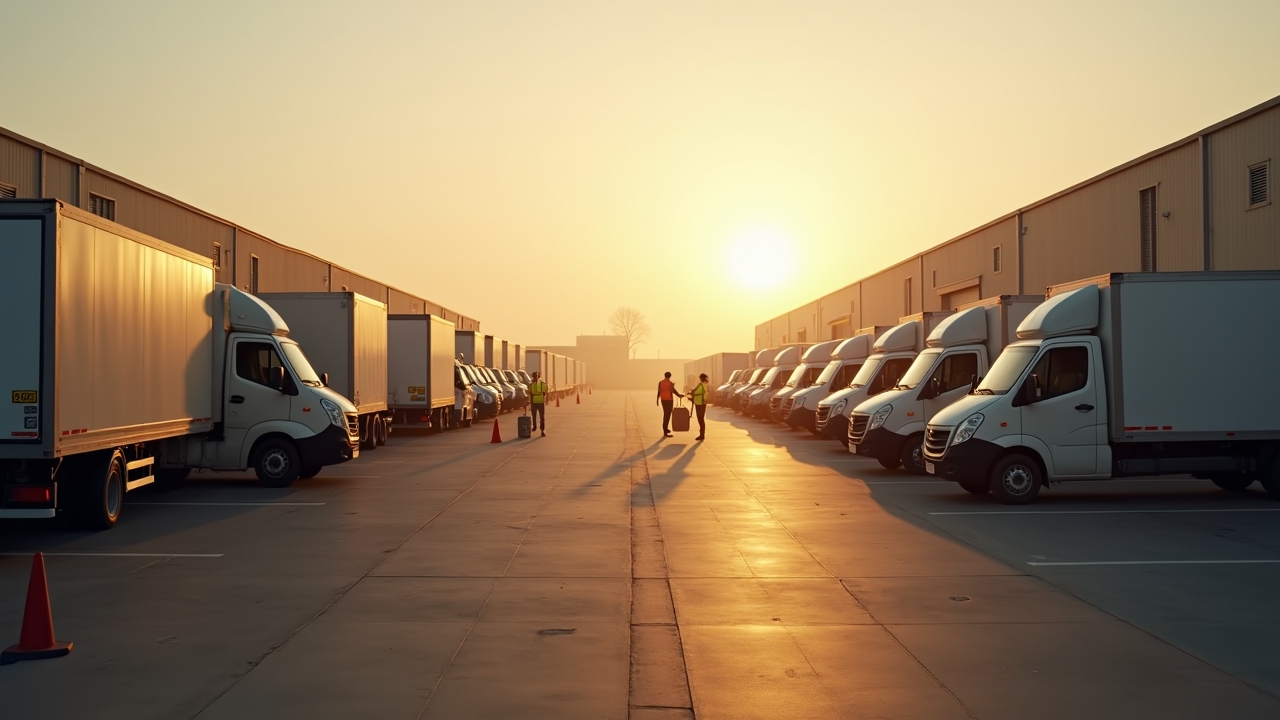
So here’s the embarrassing part. We had eight trucks running regional routes, and our fuel bills kept climbing every quarter. My dad kept blaming gas prices, and sure, that was part of it. But when I finally convinced him to install telematics systems, we found something way worse.
Three of our drivers were idling for hours at truck stops. Not breaks, mind you—just leaving the engine running while they napped or grabbed lunch. One driver alone was costing us almost $40,000 a year in wasted diesel! I remember staring at that report thinking, “how did we not catch this sooner?”
Advertisements
That’s when it clicked for me. Telematics isn’t just some fancy tech buzzword; it’s basically a window into everything happening with your vehicles in real time.
What Fleet Telematics Actually Tracks (And Why It Matters)
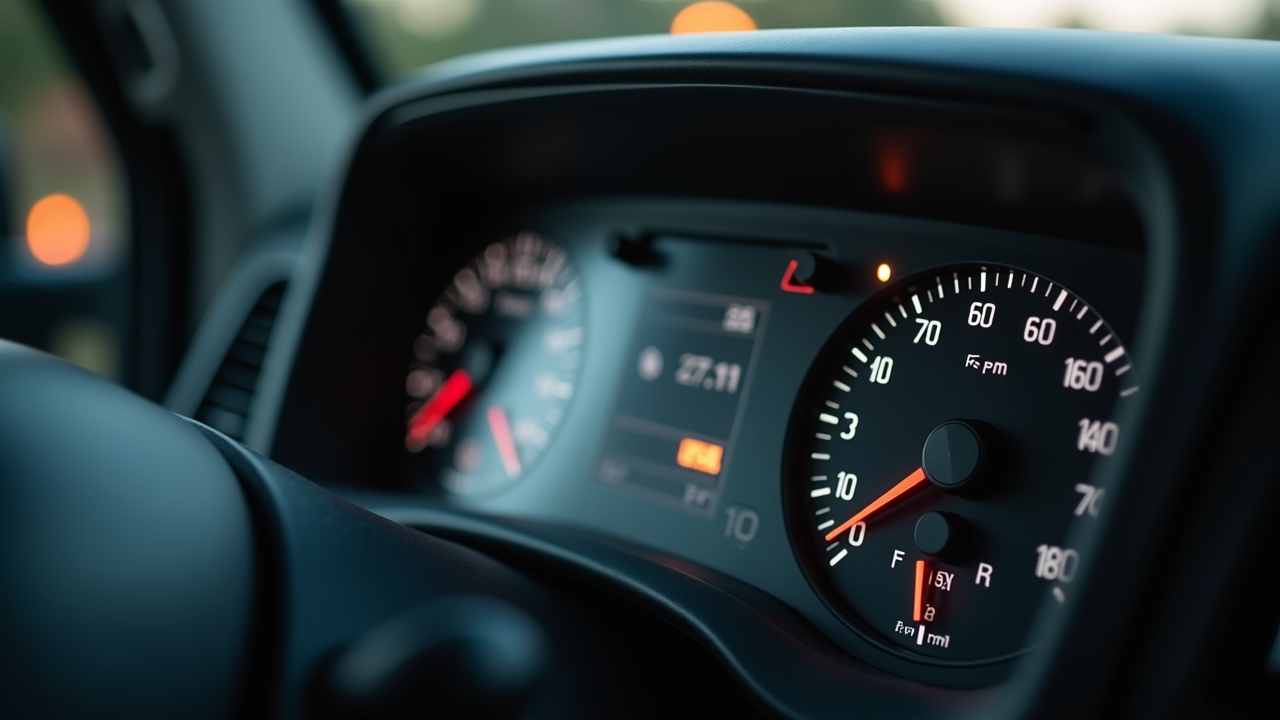
Fleet telematics systems use GPS and onboard diagnostics to monitor stuff like fuel consumption, idling time, harsh braking, speeding, and route efficiency. It sounds technical, I know, but honestly it’s pretty straightforward once you see the dashboard.
Here’s what actually made a difference for us:
- Real-time idling alerts that pinged us when a truck sat idle for more than 10 minutes
- Route optimization suggestions that cut unnecessary miles
- Driver behavior scoring for things like harsh acceleration and braking
- Fuel purchase tracking to catch discrepancies or fraud
- Maintenance alerts, because a poorly tuned engine burns way more fuel
The Department of Energy actually has some solid data showing idling can burn up to a gallon of fuel per hour for larger trucks. Multiply that across a fleet and, yeah, it adds up fast.
Practical Tips I Learned the Hard Way
Look, I’m not a telematics expert with fancy certifications or anything. I’m just a guy who learned through trial and error (mostly error, if I’m being honest). But here’s what worked for us.
Start with Idling Reports First
Idling was our biggest money pit, so that’s where we focused first. We set up automatic alerts, and within two months, idling time dropped by almost 60%. It wasn’t magic, we just finally had visibility we never had before.
Don’t Punish, Coach Instead
My first instinct was to come down hard on drivers, which, honestly, backfired. Morale tanked and one guy even quit. What worked better was showing drivers their own data and explaining how it affected their bonuses. Once they understood the “why,” behavior changed pretty naturally.
We started a friendly competition too, small rewards for the most fuel-efficient driver each month. Corny, maybe, but it worked!
Route Optimization Is a Game Changer
This one surprised me the most. Our dispatcher was manually planning routes based on habit, not data. Once we let the telematics system suggest optimized routes, we shaved off an average of 12% in mileage per route. That’s real fuel savings, not just theoretical stuff.
The Numbers Don’t Lie (Mostly)
After about six months of using telematics consistently, our fuel costs dropped by roughly 18%. That’s not nothing when you’re running a small fleet on tight margins. We also noticed fewer maintenance issues since we were catching problems earlier before they became expensive repairs.
I’ll admit, the upfront cost of installing telematics hardware felt steep at the time. We’re talking a few hundred dollars per vehicle plus monthly subscription fees. But when you compare that to the savings, it paid for itself within four months for our fleet.
Things I Wish Someone Had Told Me
Not every telematics provider is created equal, so shop around. Some systems have clunky interfaces that nobody wants to actually use, and trust me, if it’s confusing, your team won’t touch it.
Also, data overload is a real thing. We got so many reports at first that we just ignored most of them. Eventually we narrowed down to three key metrics: idling time, fuel efficiency per route, and driver scorecards. Simplifying made a huge difference in actually using the data instead of drowning in it.
Making Fuel Costs Work for You, Not Against You
Fleet telematics fuel costs don’t have to be this mysterious black hole draining your budget every month. With the right tools and a little patience, you can actually see where your money’s going and make real changes. Every fleet is different though, so take what worked for us and tweak it to fit your specific routes, drivers, and vehicles.
And hey, always keep safety and driver privacy in mind when rolling out any monitoring system. Transparency with your team goes a long way toward making this stuff actually work rather than feeling like Big Brother is watching.
If you found this helpful, swing by the Inventory North blog for more real-world tips on fleet management, inventory tracking, and all the other headaches that come with running a business with vehicles or equipment. We’ve got plenty more stories from the trenches!