
Advertisements
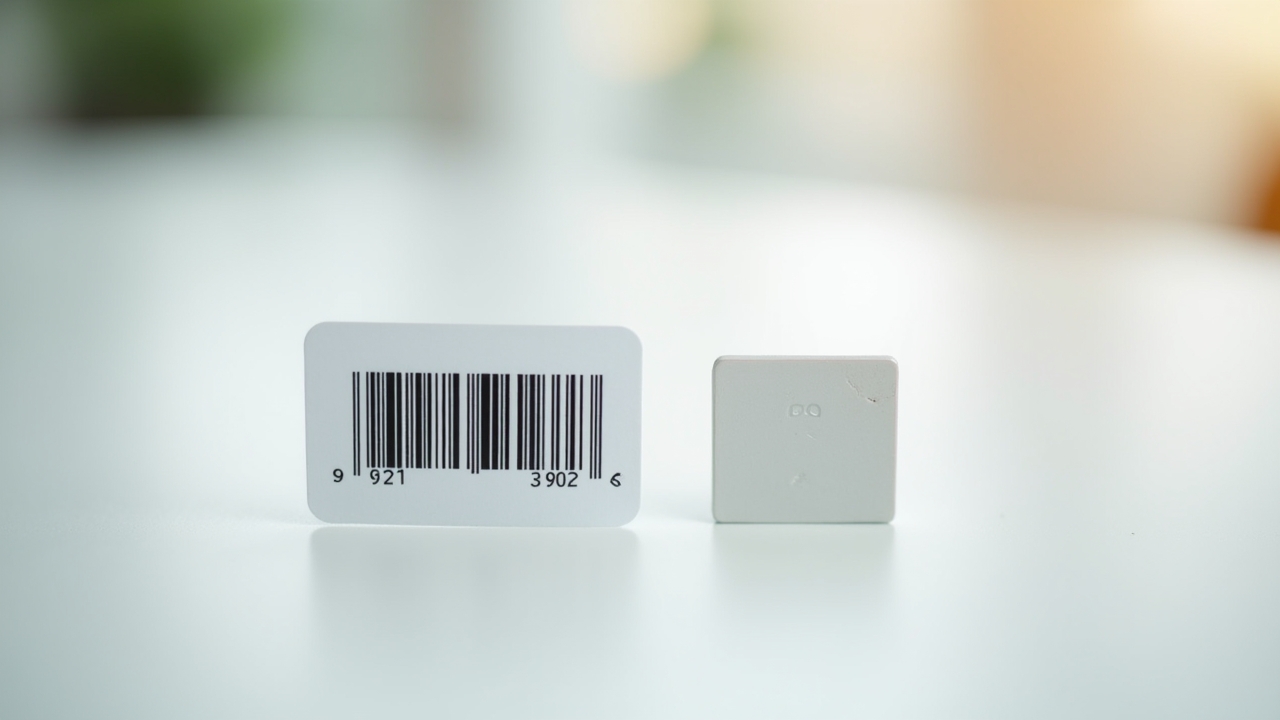
Did you know that warehouses using the wrong tracking tech can lose up to 20% of their inventory accuracy? Yeah, I read that stat a few years back and honestly, it made me spit out my coffee! I’d just spent three months convincing my boss to switch our warehouse from paper logs to something more modern, and I had NO idea which way to go. Barcode or RFID? It felt like a huge decision, and honestly, it kind of was.
So let’s talk about it, friend to friend. I’ve worked with both systems now (more mistakes than I’d like to admit), and I want to walk you through what actually happens when you use barcode vs RFID in a real warehouse setting. Not the textbook stuff. The real, messy, “why is this scanner not working” stuff.
What’s the Actual Difference?
Okay, quick refresher because I definitely needed one when I started. Barcodes are those little striped labels you scan one at a time, line of sight required. RFID (Radio Frequency Identification) uses radio waves, and you don’t even need to see the tag to scan it. Multiple tags can be read at once, sometimes hundreds in a few seconds.
I remember the first time I saw an RFID reader scan an entire pallet in like two seconds. My jaw dropped. With barcodes, I’d been standing there scanning box after box after box, like a caveman with a laser pointer. It was tedious, but it worked, so there’s that.
Advertisements
My Barcode Disaster (True Story)
Let me tell you about the time I mislabeled an entire shipment because a barcode sticker peeled off in transit. We had no idea what was in three pallets for almost a full day. Total nightmare. The warehouse manager was NOT happy, and honestly, neither was I.
Barcodes are cheap, though, that’s the trade-off. According to Camcode’s breakdown on barcode vs RFID, barcode labels can cost just a few cents each, while RFID tags run anywhere from 10 cents to a few dollars depending on the type. If you’re running a smaller operation or you’re tight on budget, barcodes still make a lot of sense.
- Barcodes are inexpensive and easy to print in-house
- They require direct line-of-sight scanning
- Damaged or dirty labels can cause scanning failures
- Great for smaller inventories or low-volume operations
Then RFID Kind of Ruined Me (In a Good Way)
After the sticker incident, my company invested in RFID for our high-turnover section. And wow. I’m not gonna lie, it spoiled me a little. You could literally walk past a shelf with a handheld reader and know exactly what was there, no digging through boxes, no squinting at faded labels.
RFID also works even when tags ain’t perfectly visible, which honestly saved my butt more than once. There was this one afternoon we had a pallet buried behind six others, and I still got a full read without moving a single box. Felt like magic, not gonna lie.
But here’s the thing, it’s not perfect either. RFID can struggle around metal shelving or liquids, which mess with radio signals. We had interference issues near our steel racking for weeks before an IT contractor helped us reposition the antennas. Live and learn, right?
When RFID Makes the Most Sense
- High-volume warehouses needing fast bulk scanning
- Facilities tracking high-value or sensitive inventory
- Operations wanting real-time inventory visibility
- Warehouses looking to reduce manual labor costs long term
If you want a deeper technical dive, GS1’s guide on barcodes and RFID standards explains a lot of the industry-side stuff way better than I ever could.
So… Which One Should You Actually Pick?
Honestly? It depends on your operation size, your budget, and how much accuracy you truly need. Small warehouse with steady, low-speed operations? Barcodes might do you just fine. Big warehouse with a ton of SKUs moving fast? RFID could save you a ridiculous amount of time.
Some companies even use both, barcodes for basic tracking and RFID for high-priority zones. That’s actually what we ended up doing, and it worked way better than committing to just one system.
Quick Tips From My Experience
- Test a small batch of RFID tags before a full rollout
- Keep barcode labels away from oil, moisture, or friction points
- Train your team thoroughly, tech is only as good as the people using it
- Reassess your system every year as your warehouse grows
I definitely didn’t get it right the first time (or the second, honestly), but through trial and error, I found a setup that worked for our team. It won’t look the same for everyone, and that’s okay!
Wrapping This Up With a Little Advice
Warehouse tech isn’t one-size-fits-all, and picking between barcode and RFID really comes down to your specific needs, budget, and how fast your inventory moves. Take some time to test things out, ask your team for feedback, and don’t be afraid to mix systems if that’s what works best. Just remember to keep safety and data accuracy in mind as you scale things up, especially if you’re tracking sensitive or high-value inventory.
If you enjoyed this little walkthrough of my warehouse trial-and-error journey, you’ll probably find a ton of other helpful reads over at the Inventory North blog. Go check it out, there’s a lot more where this came from!