Advertisements
Why I Finally Gave In and Barcoded My Entire Store
Did you know that retailers using barcode inventory systems cut stock discrepancies by up to 30%? I didn’t know that either, not until I lived it! Back when I ran a little home goods shop, I found out the hard way that guessing your inventory is basically financial suicide.
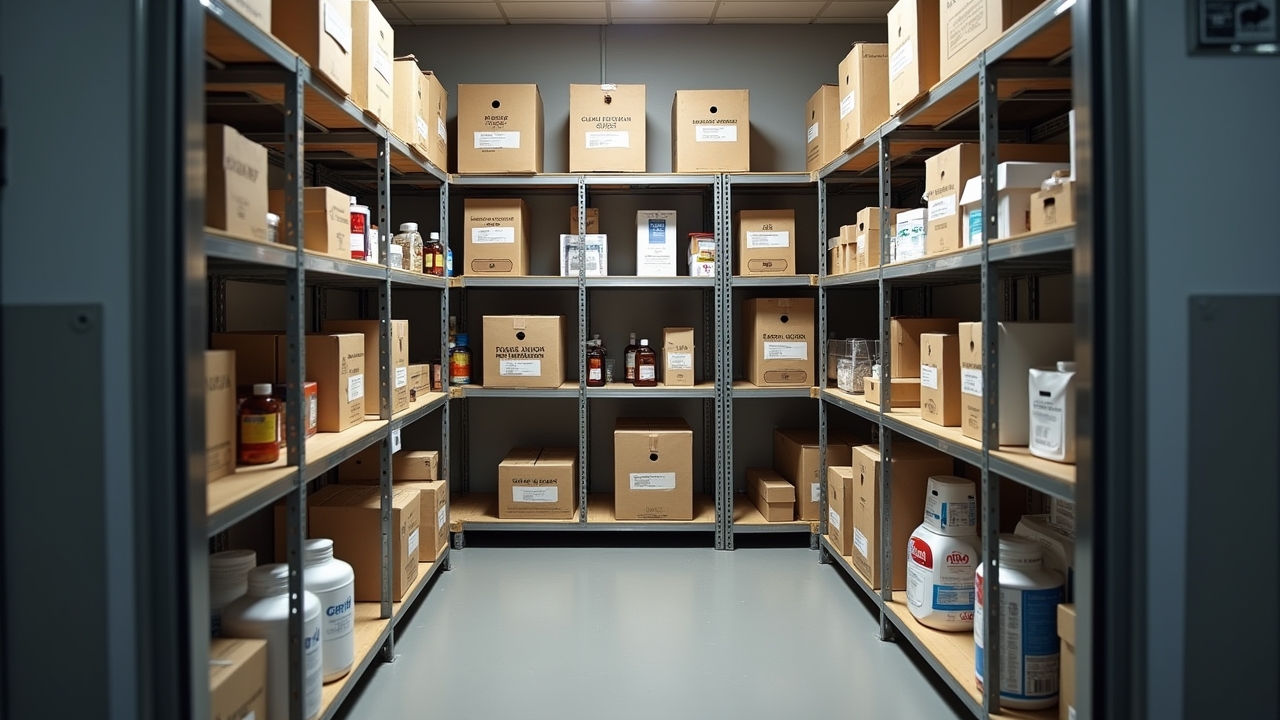
Let me back up a sec. Small retail is brutal. You’re juggling suppliers, customers, rent, and somehow you’re also supposed to know exactly how many lavender candles you have in the back room at 4pm on a Tuesday. Spoiler alert: I never knew. And that’s exactly why barcode inventory small retail systems became my obsession (and eventually my saving grace).
The Great Spreadsheet Disaster of Year One
So here’s my embarrassing confession. For the first year of owning my shop, I tracked everything in a spreadsheet. A literal spreadsheet, with color-coded tabs and formulas I barely understood. It was a mess, ya’ll.
One time I sold the same “last one in stock” ceramic mug to two different customers on the same day. One of them left a nasty review. I don’t blame her honestly, I would’ve been annoyed too. That was the moment I realized manual tracking just wasn’t gonna cut it anymore.
Advertisements
I started researching barcode systems for small retail, and honestly, I felt dumb for waiting so long. According to Shopify’s retail inventory guide, most small businesses that switch to barcode scanning see immediate improvements in order accuracy. Immediate! Why didn’t I do this sooner.
What Barcode Inventory Actually Does For You
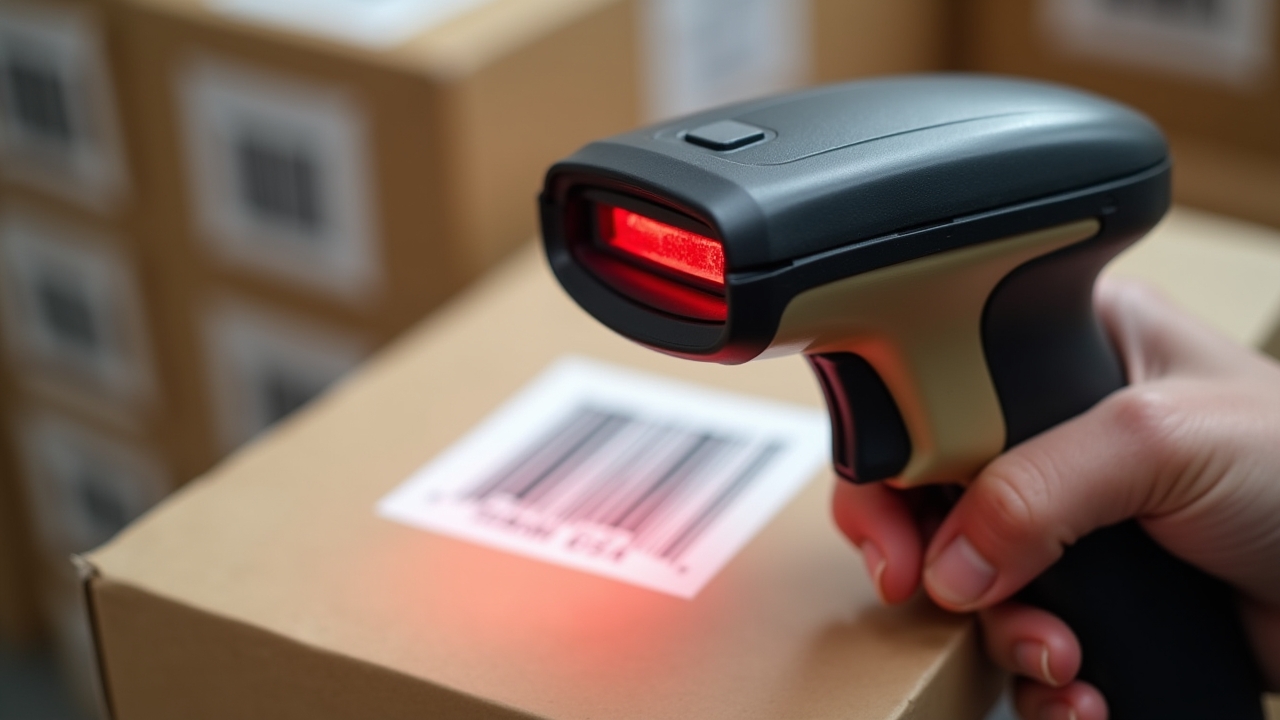
Okay, let’s get practical here. A barcode inventory system for small retail basically means every product gets a unique code, and when you scan it (in or out), your system updates automatically. No more guessing, no more double-selling ceramic mugs to angry customers.
- Tracks stock levels in real time
- Reduces human error from manual counting
- Speeds up checkout, which your customers will thank you for
- Makes reordering way less stressful
- Gives you actual data on what’s selling and what’s collecting dust
I remember scanning my first barcode and feeling like a proper business owner for once. Small win, but it felt huge honestly.
Choosing the Right System (Without Losing Your Mind)
There’s a ton of options out there, and I tried a couple before landing on one that worked for me. Some are cloud-based, some are old school with local software, and some sync directly with your point of sale system.
I made the mistake of choosing a system that didn’t integrate with my POS at first. Big mistake. I was basically double-entering data, which defeats the whole purpose of automating things in the first place. Lesson learned, the hard way, again.
If you’re just starting out, look for something scalable. Your shop today isn’t your shop in three years, hopefully it’s bigger! Check out resources like Square’s inventory management breakdown for a good comparison of features small retailers actually need.
Things I Wish I Knew Before Buying My Scanner
- Wireless scanners are worth the extra bucks, trust me
- Make sure your labels are durable, mine faded within weeks the first time
- Test the system with a small batch of products before going all in
- Train your staff properly, don’t just hand them a scanner and hope for the best
The Day Everything Clicked
There was this one Saturday, mid-holiday rush, when I actually knew my stock levels without running to the back room. I scanned a sweater, system updated, customer happy, me happy. It felt like magic honestly, even though it’s just basic technology doing its job.That’s when barcode inventory small retail systems stopped being a chore and started being this weirdly satisfying part of running my shop. Is that sad? Maybe a little. But hey, small joys matter when you’re self-employed and running on caffeine and stress.
A Few Honest Warnings
Barcode systems aren’t magic fixes for everything. You still gotta do regular physical counts to make sure your digital numbers match reality. Systems glitch sometimes, employees forget to scan things sometimes, life happens.
Also, be careful with customer data if your system links purchases to loyalty programs. Data privacy matters, and you don’t wanna be the shop owner who got sloppy with customer information. Always double check your provider’s security practices.
Wrapping This Up (Sort Of)
Look, running a small retail shop is chaotic enough without losing sleep over whether you actually have that product in stock. Barcode inventory systems aren’t just for the big box stores anymore, they’re honestly essential for small business owners who wanna keep their sanity intact.
Every shop is different though, so take what works for your situation and toss what doesn’t. What worked for my little home goods store might not be exactly right for your bookshop or your boutique, and that’s okay! Just make sure whatever system you pick actually fits how you operate day to day.
If you’re hungry for more tips like this, go ahead and check out more posts over at Inventory North’s blog. There’s a bunch of good stuff there that might just save you from your own version of the ceramic mug disaster!