Advertisements
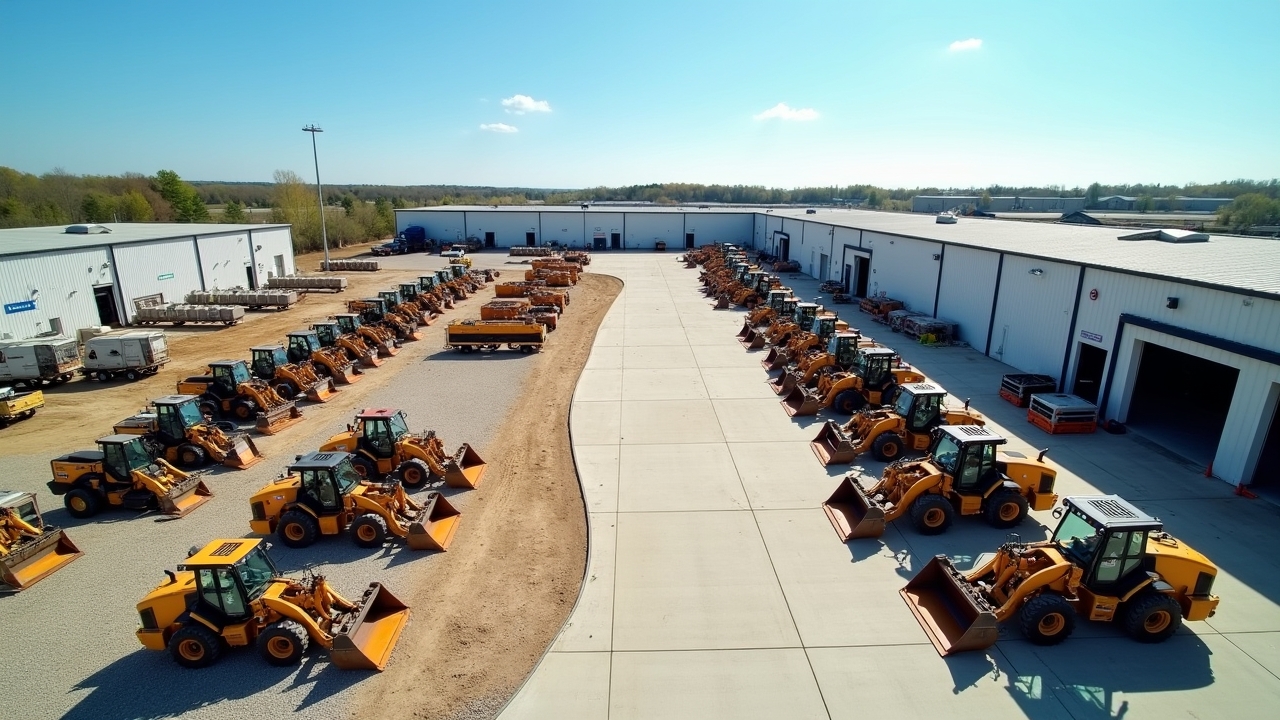
Did you know that companies lose up to 30% of their equipment value every year just from poor tracking and mismanagement? Yeah, I nearly fell off my chair when I first read that stat too! Asset management for rental equipment isn’t just some boring back-office task, it’s literally the difference between a thriving rental business and one that’s hemorrhaging money without even knowing it.
I’ve been knee-deep in the equipment rental world for about eight years now, and let me tell you, I’ve made pretty much every mistake in the book. So grab a coffee, and let’s talk about what actually works when it comes to managing rental assets.
My Wake-Up Call With a Missing Excavator
So here’s an embarrassing story for ya. Back in my early days managing a small equipment yard, we lost track of an entire excavator for almost three weeks. Three weeks! Turns out it had been sitting at a job site the whole time, just… forgotten about because we were using a janky spreadsheet system that nobody updated consistently.
That was my “aha” moment. I realized real quick that spreadsheets and sticky notes weren’t gonna cut it anymore. We needed an actual system, something that could track equipment location, maintenance schedules, and utilization rates all in one place.
Advertisements
Why Asset Tracking Actually Matters (Beyond Just Not Losing Stuff)
Look, not losing your equipment is obviously important, but good asset management does so much more than that. It’s about maximizing utilization, which is honestly the golden metric in this industry.
- Knowing exactly where every piece of equipment is located at any given time
- Tracking maintenance schedules so you’re not caught off guard by breakdowns
- Understanding utilization rates to know what’s making you money and what’s just collecting dust
- Reducing theft and unauthorized use, which is a bigger problem than most people admit
According to Equipment World, underutilized equipment can cost rental companies thousands in lost revenue annually. That number gave me chills the first time I saw it, honestly.
The Tools That Actually Saved My Sanity
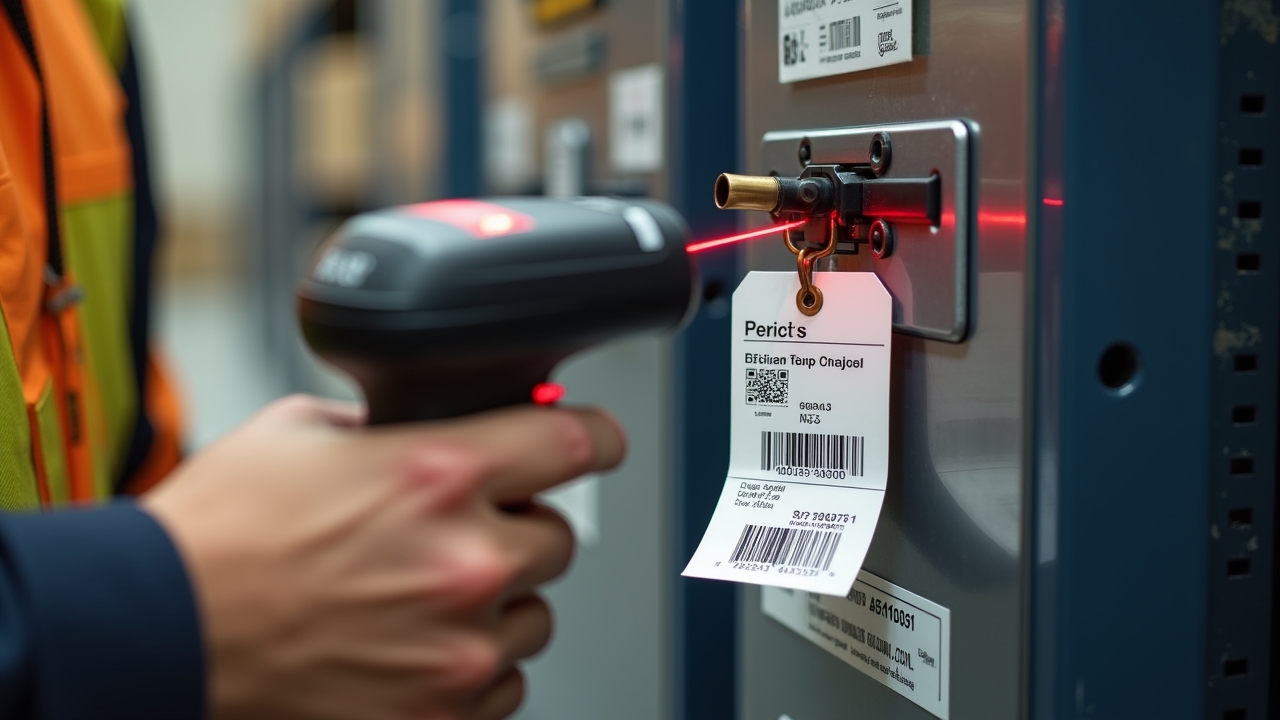
Once I got tired of playing detective every time a piece of equipment went missing, I started researching software solutions. GPS tracking devices were a game changer, no joke. We attached them to our higher-value assets and suddenly could see everything on a map in real time.
I also learned the hard way that RFID tags work great for smaller tools and equipment that don’t need GPS-level precision. They’re cheaper too, which matters when you’re managing a budget.
One tip I wish someone had told me sooner: integrate your asset management software with your billing system. This connection alone saved us probably 10 hours a week in manual data entry. Ten hours! That’s basically a whole extra workday we got back.
Maintenance Tracking Isn’t Optional, Trust Me
I used to think maintenance scheduling was something we could “wing it” on. Big mistake, huge. We had a skid steer break down mid-rental because we skipped a routine service check, and the client was, understandably, pretty ticked off.
Now we use automated maintenance alerts tied to hours of use, not just calendar dates. This has been a total lifesaver because different equipment gets used differently, ya know? A generator sitting idle doesn’t need the same attention as one running 12 hours a day on a construction site.
Utilization Rates: The Metric Everyone Ignores
Here’s something that took me embarrassingly long to figure out: not all your equipment needs to be rented out 100% of the time to be profitable. But if something’s sitting at like 20% utilization for months, that’s a red flag, my friend.
We started reviewing utilization reports monthly, and it completely changed how we made purchasing decisions. Instead of buying more of what we already had too much of, we identified gaps in our inventory that customers actually wanted.
The folks over at Rental Management Magazine talk a lot about this concept, and honestly, their insights helped shape a lot of our strategy going forward.
Common Mistakes I Still See (And Sometimes Still Make)
- Not doing regular physical audits to match digital records with reality
- Failing to train staff properly on tracking software, which defeats the whole purpose
- Ignoring depreciation data when making decisions about repairs versus replacement
- Not having clear accountability, like who’s responsible when equipment goes missing
I’ll be honest, we still occasionally slip up on the physical audits thing. It’s tedious work and easy to push off, but skipping it always comes back to bite us eventually.
Getting Started Without Losing Your Mind
If you’re just starting to think about upgrading your asset management approach, don’t try to do everything at once. Start with your highest-value equipment first, get that tracking system dialed in, then expand from there.
Talk to your team too. They’re the ones using this stuff daily, and honestly some of our best process improvements came from a mechanic who was tired of chasing down tools that weren’t where they were supposed to be.
Managing rental equipment assets well isn’t glamorous work, but it’s foundational to running a profitable operation. Every business is different, so take these tips and tweak them to fit your specific fleet, team size, and budget constraints. And please, for the love of all that’s holy, make sure your team follows proper safety protocols when handling and transporting equipment, because no tracking system in the world is worth someone getting hurt.
If you found this helpful, swing by Inventory North’s blog for more practical tips on equipment management, inventory strategies, and all the lessons we’ve learned (sometimes the hard way) running rental operations. There’s a lot more where this came from!